
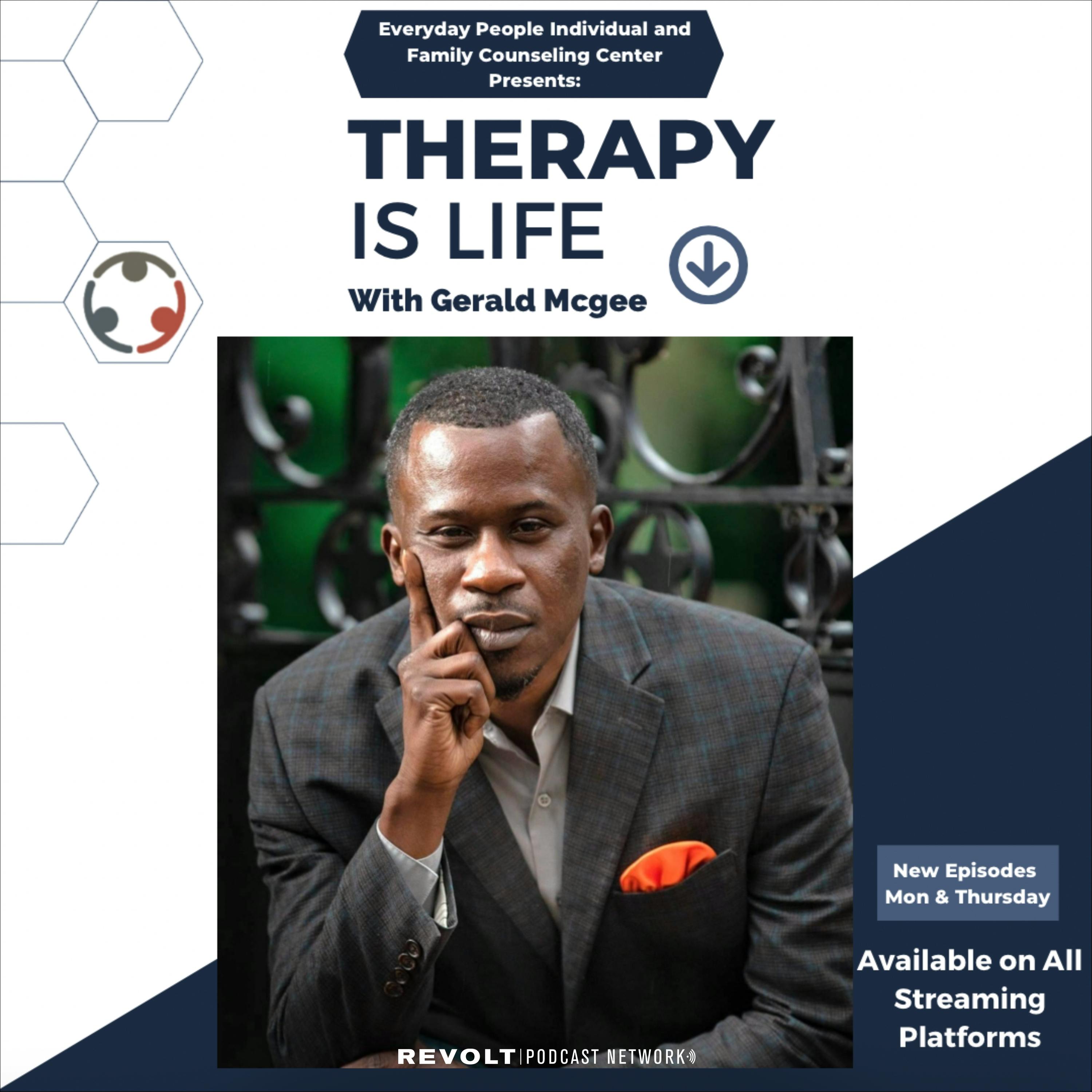
In this thought-provoking episode of Therapy Is Life, we explore the psychology of voting, American politics, political party dynamics, and the importance of active civic engagement. Why do so many Americans view political parties as opposing teams rather than broad coalitions of people with different perspectives, priorities, and ideas?
The conversation examines how political beliefs shape the way people vote, understand public policy, and interact with one another. The hosts discuss why voting matters, particularly for African Americans, whose history includes generations of struggle against voter suppression, discrimination, and barriers to political participation. 🗳️ UNDERSTANDING POLITICAL PARTIES & VOTING Political parties are not always unified organizations with a single set of beliefs.
They are coalitions that bring together individuals with different values, goals, and opinions. This episode looks at how American political parties have evolved, including the major political realignment of the 1960s and the political turmoil surrounding the 1968 election.
The discussion also explores political polarization, media echo chambers, political slogans, diversity, and the growing tendency to treat political opponents as enemies rather than fellow citizens. ⚖️ FREEDOM, RESPONSIBILITY & CIVIC ENGAGEMENT Beyond party politics, the hosts examine some of the most enduring debates in American society: 📢Freedom versus personal responsibility 📢Local control versus centralized government 📢Tradition versus social change 📢Opportunity, education, and equality 📢Gun rights and school safety 📢Political civility and constructive disagreement The episode highlights why critical thinking, open conversations, and assertive communication are essential in a healthy democracy. Rather than accepting political narratives without question, citizens should think independently, understand different perspectives, and participate in shaping their communities. 💡 WHY YOUR VOTE MATTERS Voting is more than a political choice.
It represents history, opportunity, responsibility, and the ability to influence the future. Remembering the struggles of previous generations makes civic participation even more meaningful.
Whether you are interested in voting psychology, American political history, political polarization, democracy, or social responsibility, this conversation encourages you to think beyond party labels and become more actively involved in your community. 🎧 Watch the full episode, reflect on the discussion, and join the conversation! 👍 LIKE this video if you found the discussion valuable. 💬 COMMENT with your thoughts on voting, political parties, and civic responsibility. 🔔 SUBSCRIBE to Therapy Is Life for more conversations about psychology, society, politics, and personal growth. ⏱️ TIMESTAMPS 00:00 Why Parties Matter 03:34 Voting as Legacy 04:47 Politics in Everything 07:06 What Parties Are 09:20 Beyond Good and Evil 11:15 Parties Were Coalitions 17:17 1960s Party Realignment 27:22 1968 Chaos and Wallace 31:40 Slogans and Policing 40:10 Civility and Balance 45:31 Media Echo Chambers 47:47 Diversity Backlash 48:23 Politics As Enemies 49:16 Rats In A Well 50:58 Narratives And Billionaires 55:55 Freedom And Responsibility 58:11 Opportunity And Education 01:00:21 Local Control Debates 01:06:22 Tradition Versus Change 01:10:19 Guns And School Safety 01:11:41 Think Before Judging 01:13:23 Passive Aggressive Assertive 01:19:25 Remember The Struggle 01:23:42 Closing And Subscribe #TherapyIsLife #VotingPsychology #AmericanPolitics #CivicEngagement #VotingRights #PoliticalPsychology #Democracy Learn more about your ad choices. Visit
Podcast news, creator spotlights & picks
Comments (0)
No comments yet.