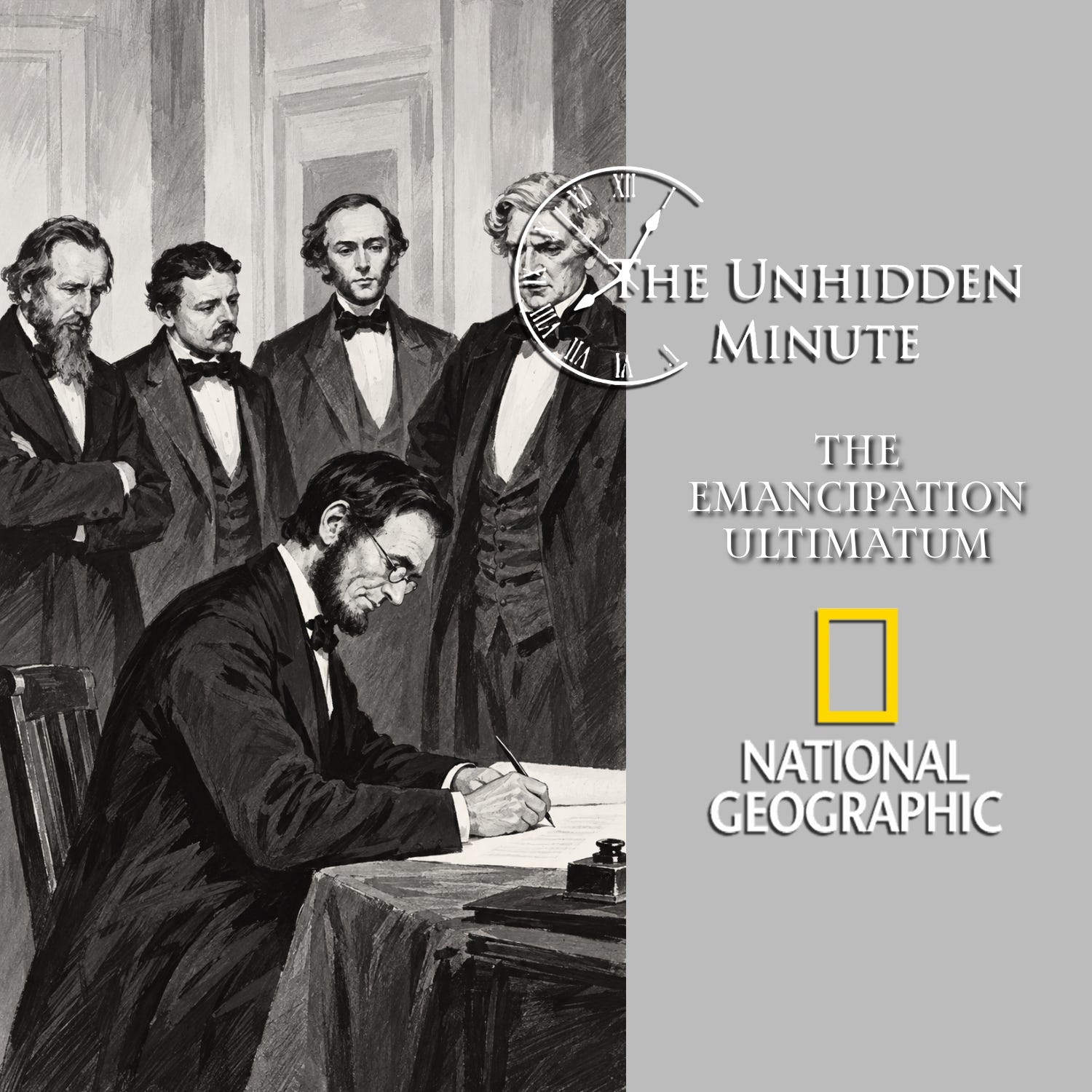
On September 22, 1862, President Abraham Lincoln issued the preliminary Emancipation Proclamation. Its message to the Confederate states was this: end the rebellion by January first, or enslaved people in areas still in defiance of the Union would be declared free.
That September announcement did not immediately free anyone. And the final proclamation would leave slavery untouched in loyal border states until after the war.
Emancipation wasn’t proclaimed as an act of benevolence for the benefit of the enslaved. It was an ultimatum meant to restore the union.
Freedom wasn’t simply handed down with a president’s signature. Enslaved people were already escaping bondage and seeking refuge behind Union lines.
Their actions of self-determination turned the war into a struggle for emancipation. The proclamation became a powerful tool.
Making freedom real still required people, struggle, and enforcement. September twenty-second marks a promise.
The history lives in the people who pushed that promise toward reality. The Joy Trip Project celebrates the enduring legacy of Black American History.
The Unhidden Minute is part of the Unhidden Podcast Project supported through a National Geographic Explorer Grant from the National Geographic Society , with the cooperation of the National Park Service . This series elevates the untold stories of Black American historical figures, events and cultural contributions. #unhiddenblackhistory #NationalParkService #yourparkstory #NationalGeographic #unhiddenminute Become a paid subscriber to the Unhidden Minute Podcast for one year and receive a free copy The Adventure Gap: Changing the Face of the Outdoors 10th Anniversary Edition by James Edward Mills .
This is a public episode. If you'd like to discuss this with other subscribers or get access to bonus episodes, visit jamesedwardmills.substack.com/subscribe
Podcast news, creator spotlights & picks
Comments (0)
No comments yet.