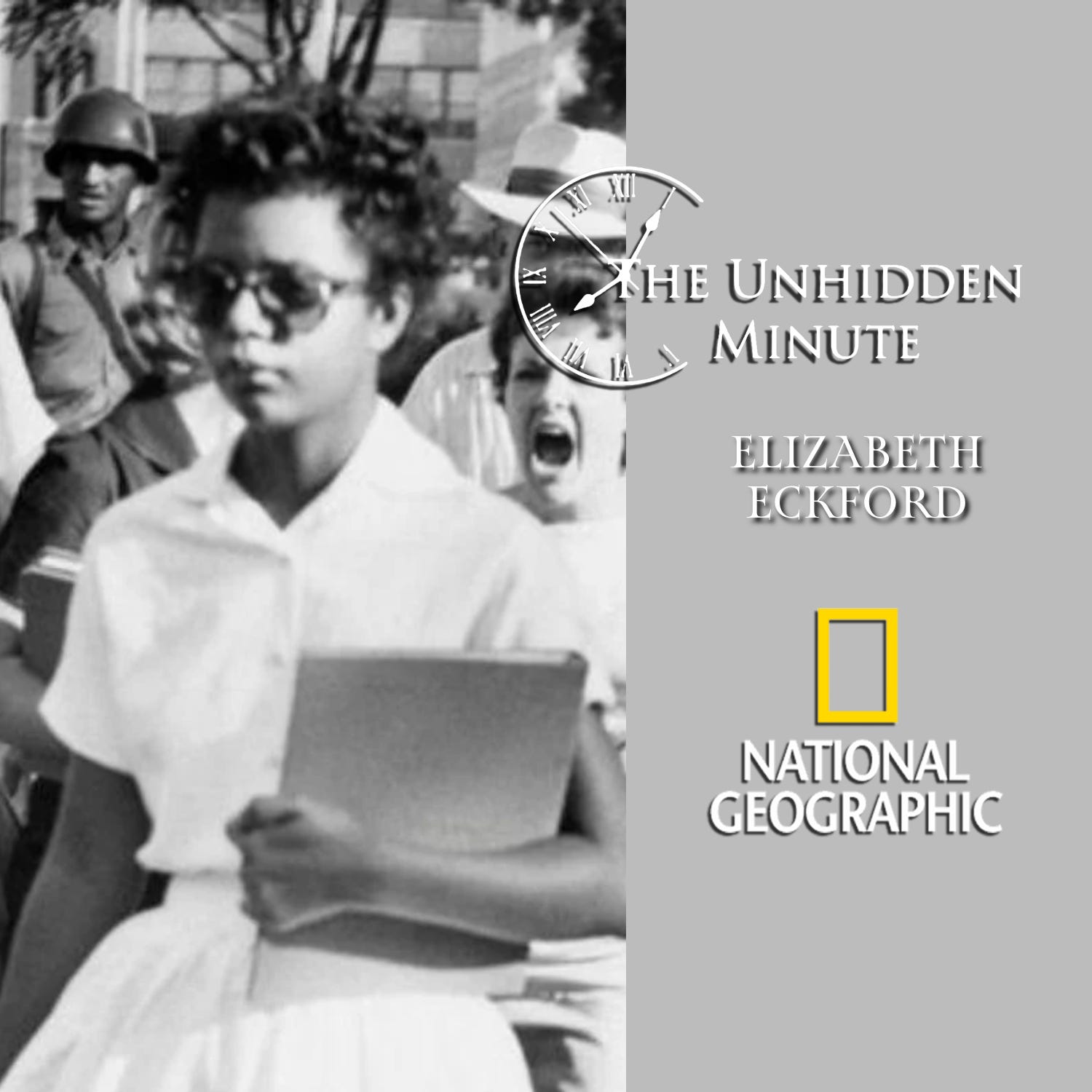
On September 4, 1957, fifteen-year-old Elizabeth Eckford arrived alone at Central High School in Little Rock, Arkansas. Three years after the Brown V.S.
Board of Education Decision of 1954, she was among a group of Black students chosen to integrate the school, known as the Little Rock Nine . A communication mix-up caused her to miss the group’s planned meeting and she faced the crowd by herself.
Arkansas National Guard troops, ordered there by Governor Orval Faubus, blocked her from entering. As Eckford walked away, white students and adults followed, shouting threats and racial slurs.
Photographers captured her image in sunglasses, clutching her books, refusing to break stride. Those images traveled around the world.
Weeks later, President Dwight D. Eisenhower sent federal troops to enforce integration.
Elizabeth Eckford became an icon not because she sought attention, but because America saw, in one unforgettable photograph, a portrait of the courage required of a Black child simply trying to go to school. Learn more through the National Park Service The Joy Trip Project celebrates the enduring legacy of Black American History.
The Unhidden Minute is part of the Unhidden Podcast Project supported through a National Geographic Explorer Grant from the National Geographic Society , with the cooperation of the National Park Service . This series elevates the untold stories of Black American historical figures, events and cultural contributions. #unhiddenblackhistory #NationalParkService #yourparkstory #NationalGeographic #unhiddenminute Become a paid subscriber to the Unhidden Minute Podcast for one year and receive a free copy The Adventure Gap: Changing the Face of the Outdoors 10th Anniversary Edition by James Edward Mills .
This is a public episode. If you'd like to discuss this with other subscribers or get access to bonus episodes, visit jamesedwardmills.substack.com/subscribe
Podcast news, creator spotlights & picks
Comments (0)
No comments yet.