29m
How to Reach Decision-Makers When Selling to Enterprises | Erik Kostelnik - 2043
125 billion B2B emails go out every single day, and that number is exactly why decision-makers have stopped noticing any of them. This one is coming from the archives, and honestly it feels even more relevant now than when it first aired, because reaching the right person inside an enterprise has only gotten harder since.
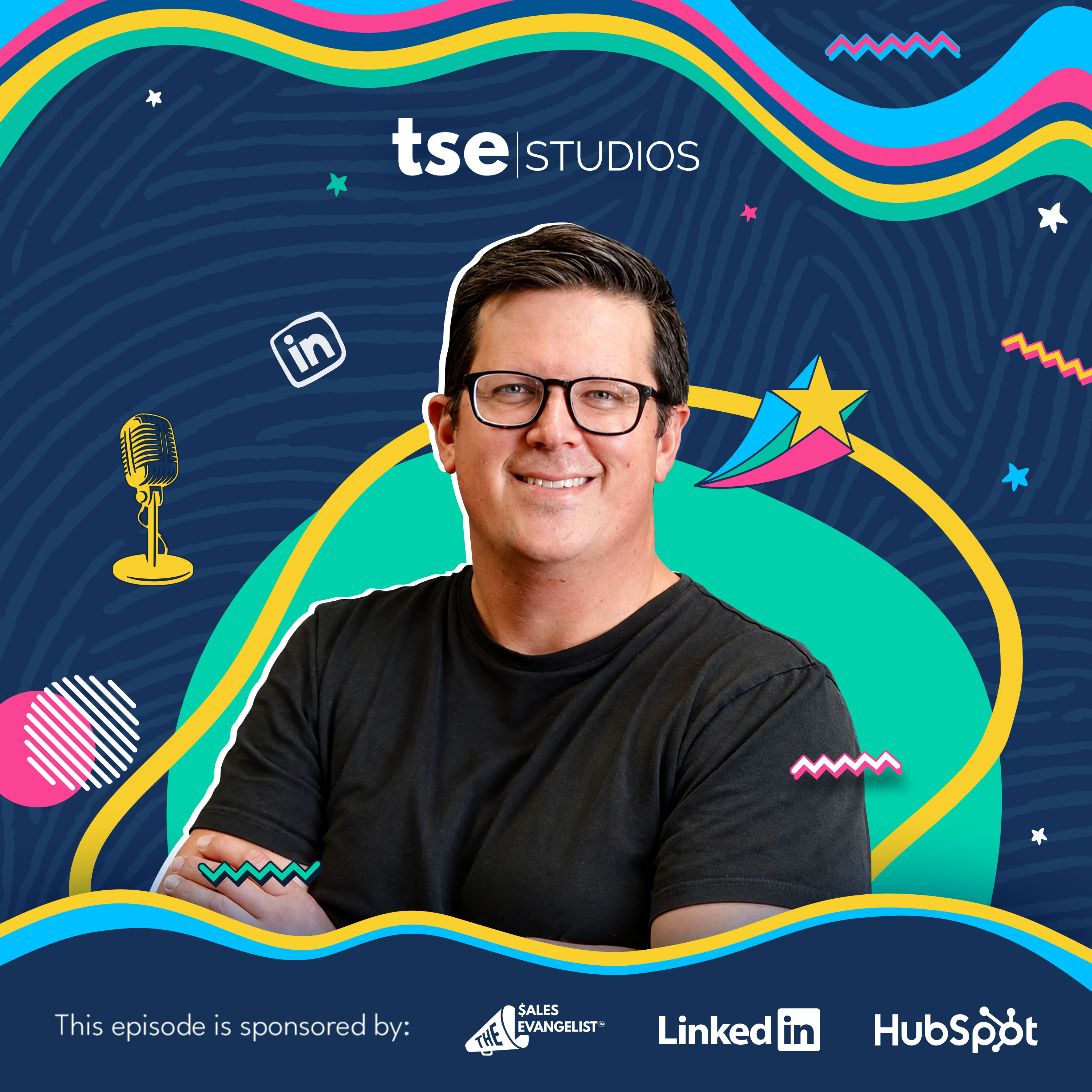
Erik Kostelnik, founder and CEO of Postal, joined me to break down why reaching enterprise buyers has gotten so much harder and exactly what sales reps need to do differently to cut through that noise. Why Decision-Makers Have Gone Numb to Outreach The real problem isn't that buyers are unreachable, it's that everyone selling to them is running the exact same automated plays, the same email sequences, the same LinkedIn messages, and the same call cadences.
With roughly 125 billion B2B emails sent daily, that volume has hit a critical mass where prospects develop a visceral reaction to anything that looks like a template, so the content itself stops mattering. Even internal teams at the companies you're targeting are often running similar outreach sequences to their own prospects, which means the people you're emailing recognize the exact playbook you're using.
Touches Have Doubled, and So Has the Timeline The old rule of five touches over 30 days to get a yes or no has shifted, and the better target now is closer to 10 touches spread across 60 days. That shift ties directly to buyer behavior during 2020, when prospects were slower to respond and more hesitant to commit, which stretched out both the number of attempts needed and the overall timeline.
Reps need to stop treating the five-touch, 30-day sequence as a fixed rule and instead build in enough room for buyers who need more time and more contact before they'll engage. Personalization Beats Automation at Scale The fix is to throw out the generic, templated sequence and go back to persona-based selling, meaning reps need to understand what a specific buyer actually cares about before reaching out.
Postal's own approach treats direct mail and gifting as a real part of the sequence now, not an afterthought, because a handwritten note or a physical touchpoint still converts at a noticeably higher rate than another email. The goal is to automate the offline channel the same way sales teams already automate email, so a gift, a direct mail piece, a LinkedIn touch, and a phone call all carry the same consistent message instead of feeling disconnected.
What a Real Outreach Sequence Looks Like For C-level targets, a strong sequence opens with a gift email, something like offering a relevant book with a short personal note, sent as part of a tracked outreach flow. If the prospect doesn't accept that first gift, the sequence continues with a LinkedIn touch, a phone call, and a follow-up email, then repeats with a different offer, like a direct mail brochure, if the second attempt also goes unanswered.
This entire offline sequence runs in parallel with manual, non-automated emails and genuine engagement with the buyer's social content, and teams that combine offline and online touches see at least double the engagement. Why the Funnel Itself Needs to Flex Right Now Break the funnel into three parts, top, middle, and bottom, and diagnose which part is actually slowing deals down before trying to fix the whole process at once.
At the top of the funnel, differentiation is what speeds things up, since standing out from competitors running the same automated plays is what gets a reply in the first place. In the middle of the funnel, flexibility matters most, which is why Postal leans into free trials even though a 12-month agreement is the ideal outcome, because buyers need an easier way to say yes during an uncertain stretch. "If you're not getting the right results, try something different." — Erik Kostelnik Resources Connect with Erik on LinkedIn .
Learn more about Postal , the gifting and offline engagement platform. Sponsorship Offers This episode is brought to you in part by Hubspot.
With HubSpot sales hubs, your data tools and teams join a single platform to close deals and turn prospects into pipelines. Try it for yourself at .
This episode is brought to you in part by the TSE Sales Foundation. Improve your connection on LinkedIn and land three or five appointments with our LinkedIn prospecting course.
Go to the . Credits As one of our podcast listeners, we value your opinion and always want to improve the quality of our show.
Complete our two-minute survey here: . We’d love for you to join us for our next episodes by tuning in on Apple Podcast , Google Podcast , Stitcher , or Spotify .
Audio provided by Free SFX, Soundstripe , and Bensound . Other songs used in the episodes are as follows: The Organ Grinder written by Bradley Jay Hill, performed by Bright Seed, and produced by Brightseed and Hill.
Podcast news, creator spotlights & picks
Comments (0)
No comments yet.