50m
Dr. Antonia Arnold-McFarland: The United Shades of STEM - Empowering All Capable Human Potential - 060
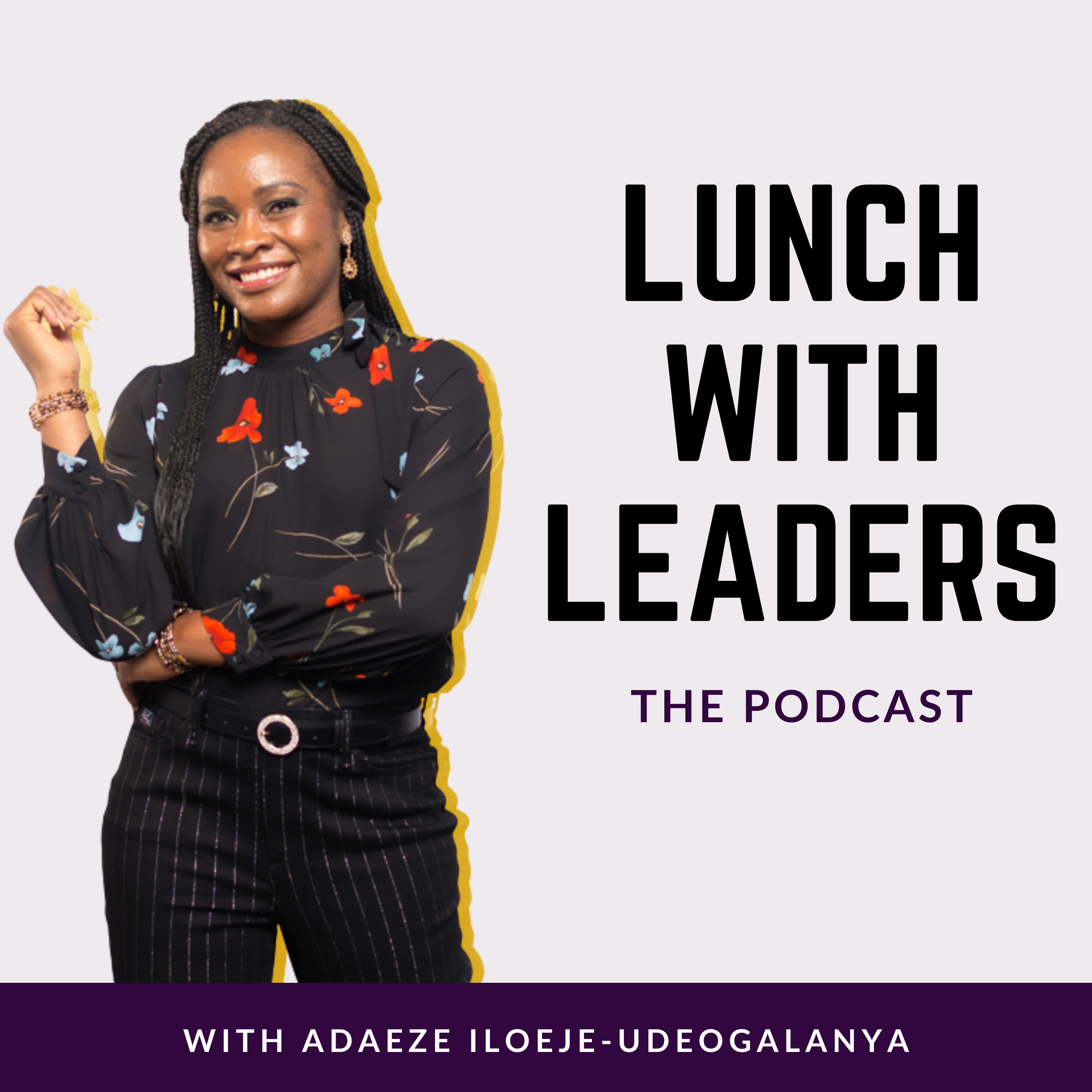
Adaeze Iloeje-Udogalanya hosts Dr. Antonia Arnold-McFarland , a leader with 25+ years in STEM, known for her advocacy, mentorship, and history preservation.
The conversation explores how engineering and process improvement principles help solve personal and professional challenges. Dr.
Antonia Arnold-McFarland defines her role as a contemporary griot, stressing why legacy and storytelling matter—especially for women and Black professionals in STEM. They discuss the importance of community, the need for strategic partnerships in STEM, and the capabilities required for the fast-changing job market.
The episode emphasizes maintaining hope, taking control where possible, and giving back. Dr.
Antonia Arnold-McFarland shares her work with United Shades of STEM and the Arnold Legacy Center, both committed to equity, empowerment, and creating lasting impact. Timestamps 00:01:31: Introduction/Bio 00:04:46: Engineering for people & community 00:07:52: Systems thinking for problem-solving 00:13:13: Legacy, storytelling, & being a griot 00:19:51: United Shades of STEM mission 00:23:07: Strategic partnering for equity in STEM 00:30:50: Future of work skills & adaptability 00:36:35: Cultivating hope and mindset shifts 00:42:18: The Arnold Legacy Center & giving back FAQs 1.
What is a contemporary griot? Someone who preserves and shares family, cultural, and community history through storytelling, documenting legacies for future generations (13:13). 2.
Why is culturally relevant STEM education important? It ensures STEM learning speaks to students' experiences, boosts engagement, bridges equity gaps, and prepares all youth for emerging technologies (19:51). 3.
What skills matter most for future STEM careers? Adaptability, systems thinking, collaboration, digital/AI fluency, and relationship-building are essential as roles rapidly evolve (30:50). 4.
How does process improvement help in personal life? By breaking big problems into actionable pieces and focusing on changeable factors (root cause analysis), anyone can make progress on personal or career challenges (07:52). 5.
Where can I learn more or connect? Via LinkedIn, , and (47:56).
Action Steps Apply systems thinking: Break down personal/career problems into manageable parts to find actionable solutions (07:52). Prioritize learning: Seek ongoing digital, AI, and interdisciplinary skills to future-proof your career (30:50).
Build and join communities: Network with people from various backgrounds to enhance resilience, support, and opportunity (06:35). Document your story: Start recording family history or personal milestones to preserve your and your community’s legacy (13:13).
Support/partner: Explore and support initiatives like United Shades of STEM and the Arnold Legacy Center; reach out for partnership or speaking (47:56). Practice self-reflection and hope: Use faith, meditation, and trusted networks to stay anchored and hopeful—especially in tough times (36:35) Resources: LinkedIn: Facebook: Website:
Podcast news, creator spotlights & picks
Comments (0)
No comments yet.