You Had to Be There: Black Podcasting's Live Moment Is Here
Atlanta is still drying out. It rained on Pullman Yards Saturday night during the 4th Annual Black Effect Podcast Festival, and nobody left. Here's what happened, the morning after.
Atlanta is still drying out this morning. It rained on Pullman Yards Saturday night, and nobody left. That's as good a measure as any of what the 4th Annual Black Effect Podcast Festival proved: 75,000 square feet of warehouse space, packed from noon to 8 p.m., for a lineup that treated podcasting like the main event instead of the opening act.
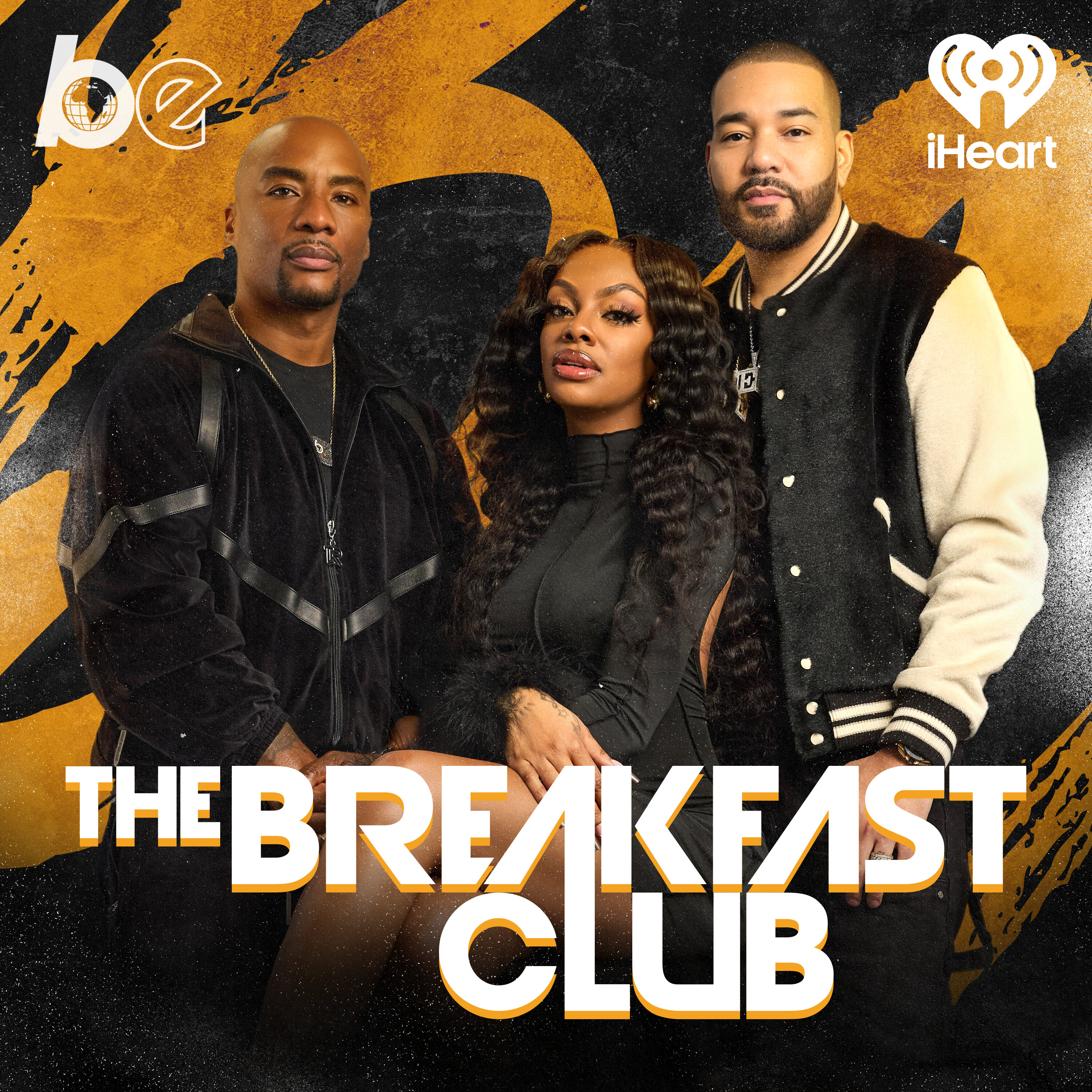
DJ Envy and Loren LoRosa of The Breakfast Club hosted, with Charlamagne tha God, who launched the festival with iHeartMedia back in 2023, moving through the crowd all day. Drink Champs, Reality With The King, Club 520 Podcast, Grits and Eggs Podcast, and The Don't Call Me White Girl Show all recorded live tapings on the Pullman Yards stage. Crystal Renee Hayslett, known to millions as Harriet from Sistas, brought her own audience into the Black Effect ecosystem with a live taping of Keep It Positive, Sweetie. CeeLo Green, Sheryl Underwood, Yung Miami, K. Michelle, Tika Sumpter, Claressa Shields, and Lil Duval all came through over the course of the day, some for panels, some just to be in the room, which is its own kind of statement about where this festival sits in the culture now.
The Substance Behind the Spectacle
Underneath the entertainment, the panels did real work. An AI-focused session with digital strategist Alicia Lyttle, Harvard Berkman Klein Center fellow Bridget Todd, corporate strategist Doug Melville, and marketing consultant Cliff Worley walked through how independent creators can now use tools that used to belong only to networks with real production budgets. On the Audio and Media Development panel, Carlos King, KevOnStage, and Tika Sumpter talked candidly about building a career instead of chasing a moment, with KevOnStage making the case that a smaller, genuinely loyal audience beats a big, indifferent one. And beauty entrepreneur Stormi Steele, sitting down with King for a taping of Reality With The King, walked through her path from cosmetology school dropout to a brand that did more than $50 million in sales last year.
Charlamagne summed up the day's underlying theme in one line: "You have to be truly authentic, not performative authentic."
Pitch Your Podcast gave emerging creators actual stage time and industry eyes on them, not just a booth to hand out business cards at. The Black Effect Marketplace, powered by Shopify, put Black-owned merchandise next to some of the biggest names in the building. Local food trucks handled the rest. None of it needed the celebrity cameos to justify itself, but the cameos didn't hurt.
Why Live Hits Different Here
There's a stat from iHeart research that deserves actual attention rather than marketing deck treatment: 91% of Black listeners say they're proud of their culture, and they're 44% more likely than average to say they express that cultural pride through the podcast content they consume.
That's not a niche. That's a core use case. Black listeners aren't just killing time on a commute. They're using podcasts to stay connected to community, to affirm identity, to hear their own experiences talked about seriously and without translation for a white mainstream gaze. A live event turns that into a physical room. The laughter lands differently when everyone around you chose to be there for the same reason, rain or not.
The Indie Side Is Building Something Too
The Black Effect Festival gets the biggest headlines, partly because iHeartMedia writes the press releases. But it isn't the only live infrastructure Black podcasters have built. Afros & Audio, the community organization that's been convening Black podcasters and audio professionals since before most of the industry acknowledged this audience existed, held its 7th Annual Podcast Festival in Baltimore last October. For 2026, the organization has said it's moving away from that single big-tent format toward a year-round Creator Circuit: regional activations planned across cities including Newark, Baltimore, New York, Atlanta, and Los Angeles instead of one four-day gathering.
The Black Podcasting Awards, which held its first in-person ceremony at Afros & Audio last October, is part of that same independent ecosystem, recognizing shows and hosts who don't have an iHeart or Netflix deal behind them. Corporate and indie are doing versions of the same thing through different doors. Both are betting the audience wants more than audio.
The Practical Argument for Going Live
Monetization is part of this conversation whether anyone says it out loud or not. Ticket sales, marketplace vendor fees, brand sponsorships tied to a specific room and date: that's revenue that doesn't run through an advertising CPM, doesn't require hitting an audience-size threshold, and doesn't get clawed back when a platform changes its algorithm overnight.
Black podcasters learned from a decade of watching creators get deplatformed, demonetized, or quietly deprioritized that you don't build exclusively on someone else's infrastructure. A live event is one of the few things that can't be switched off by a policy update.
What to Watch For
Whatever comes next for Black podcasting's live circuit this year, Saturday made the case plainly. Put the right people in a room, add a lineup that mixes celebrity wattage with actual craft talk, and the culture will show up, even in the rain. Keep an eye on where Afros & Audio's Creator Circuit lands its first stops, and on whether other independent shows follow the Black Effect model of turning a taping into an event people drive in for.
Podcast news, creator spotlights & picks from the blackpodcastdirectory team — four times a year.