44m
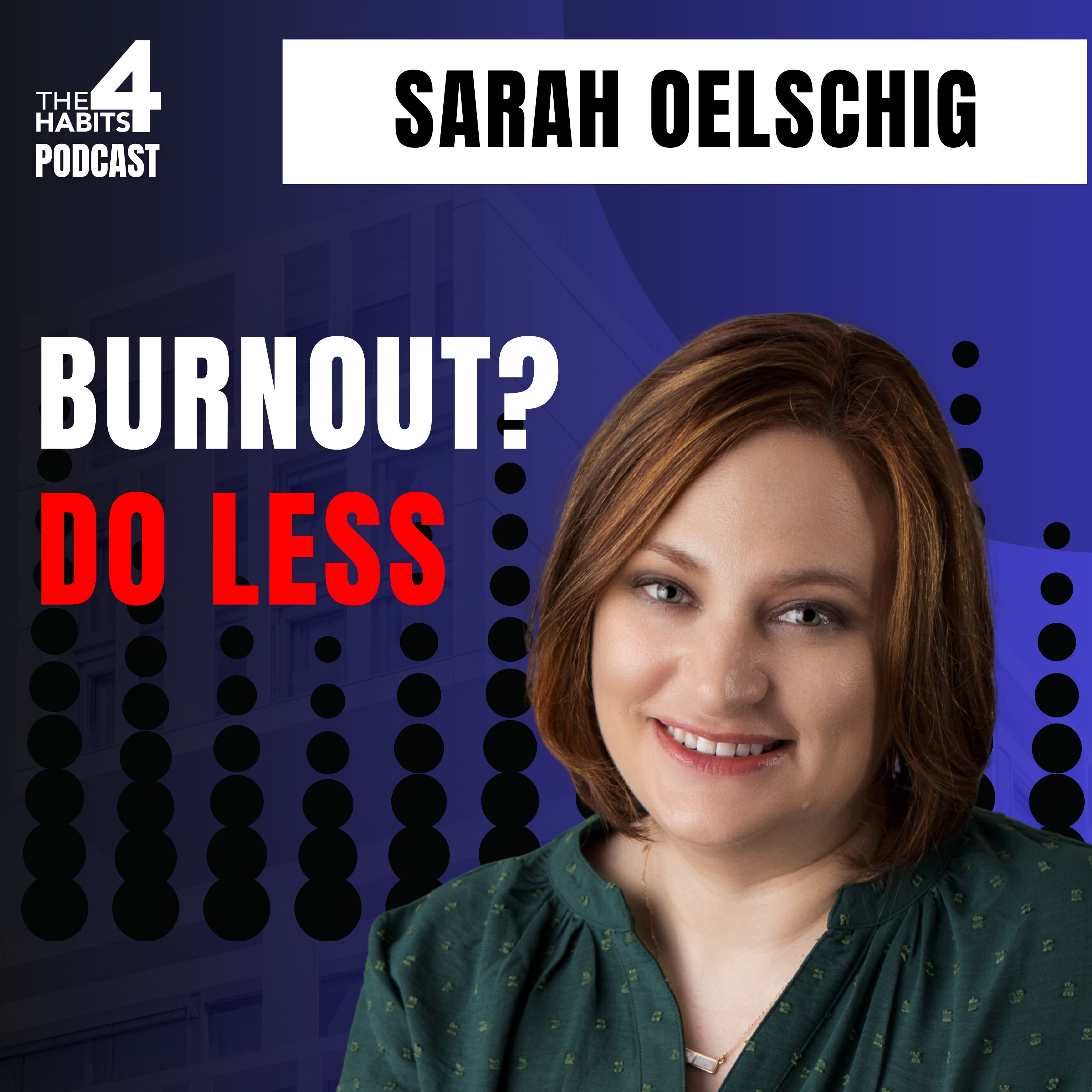
E143 | Life After Burnout: Why Recovery Starts with Doing Less | Sarah Oelschig
What if burnout recovery doesn’t start with doing more, but with taking something off the list? In this episode of The 4 Habits Podcast , Dr Andrea Taylor Cummings and Jon Taylor-Cummings are joined by Sarah Oelschig , writer, coach, HR leader and author of Unburned: A Slightly Messy, Mostly Honest Guide to Life After Burnout .
As part of The Road to 150 , we’re exploring what pressure reveals. In this conversation, we look at what pressure reveals when exhaustion has been building for too long.
Burnout doesn’t always look like collapse. Sometimes it looks like functioning, delivering, smiling, replying to messages and keeping everything moving, while inside the cost is quietly building.
Sarah shares why so much burnout advice fails because it gives depleted people more to do: sleep more, exercise more, meditate more, journal more, optimise more. While some of those things can help, recovery can start to feel like another performance project.
Instead, Sarah invites us to think about recovery differently: through small moments of reflection, reconnection, joy, values, movement, boundaries and belonging. We explore the quiet signs of burnout, why rest doesn’t always feel restorative, how burnout affects relationships at work and home, and why finding your way back to yourself may begin with the question: What did you love to do as a child?
Whether you’re feeling burned out, supporting someone who is, leading a team under pressure, or trying to rebuild healthier rhythms at work and at home, this episode will help you notice what pressure is revealing and respond with more character, competence and compassion. 💡 What you’ll learn: ✔️Why burnout recovery may need to start with doing less ✔️Why rest doesn’t always feel restorative when you’re burned out ✔️The quiet signs of burnout people often miss ✔️How burnout affects relationships, patience, work and home life ✔️Why “do more wellbeing” advice can fail depleted people ✔️How small acts of joy can help people reconnect with themselves ✔️Why reflection can feel more accessible than journaling ✔️How to spot burnout in colleagues or team members ✔️Why connection and belonging matter in recovery ✔️What managers and leaders can do to create safer conversations about burnout ⏱️ EPISODE HIGHLIGHTS / TIMESTAMPS 00:00 | When burnout advice gives you more to do 02:21 | Why Sarah wrote Unburned 05:31 | Why sleep doesn’t always restore burnout 06:57 | The signs and symptoms of burnout 10:25 | How leaders can spot burnout at work 12:12 | Why asking for help can feel risky 13:02 | Starting the journey back to yourself 16:45 | Connection, values and strengths 18:27 | What did you love as a child? 20:06 | Sarah’s piano story and reconnecting with joy 22:12 | The practical “how” of burnout recovery 25:33 | Workaholism, purpose and passion 29:21 | Why putting the phone down matters 31:37 | How Sarah knew she was coming back to herself 33:36 | Movement, food and physical wellbeing 36:22 | Limiting what you take in 37:14 | Empathy, leadership and workplace trust 40:28 | Why connection matters in burnout recovery 42:55 | Final reflections and practical habits ✅ NEXT STEPS 📍 Connect with Sarah Oelschig – Buy Unburned on Amazon: – Sarah Oelschig Coaching: 💬 Want to explore what pressure is revealing? – Teams Under Pressure Diagnostic: Spot where pressure may be affecting your team’s decisions, relationships, communication or results. – Aligned Under Pressure Scorecard: Reflect on how pressure may be affecting communication, shared load and connection at home. #BurnoutRecovery #LifeAfterBurnout #BurnoutPrevention #MentalLoad #LeadershipUnderPressure #RelationshipsUnderPressure #WorkplaceWellbeing #EmotionalWellbeing #The4HabitsPodcast #RoadTo150
Podcast news, creator spotlights & picks
Comments (0)
No comments yet.