11m
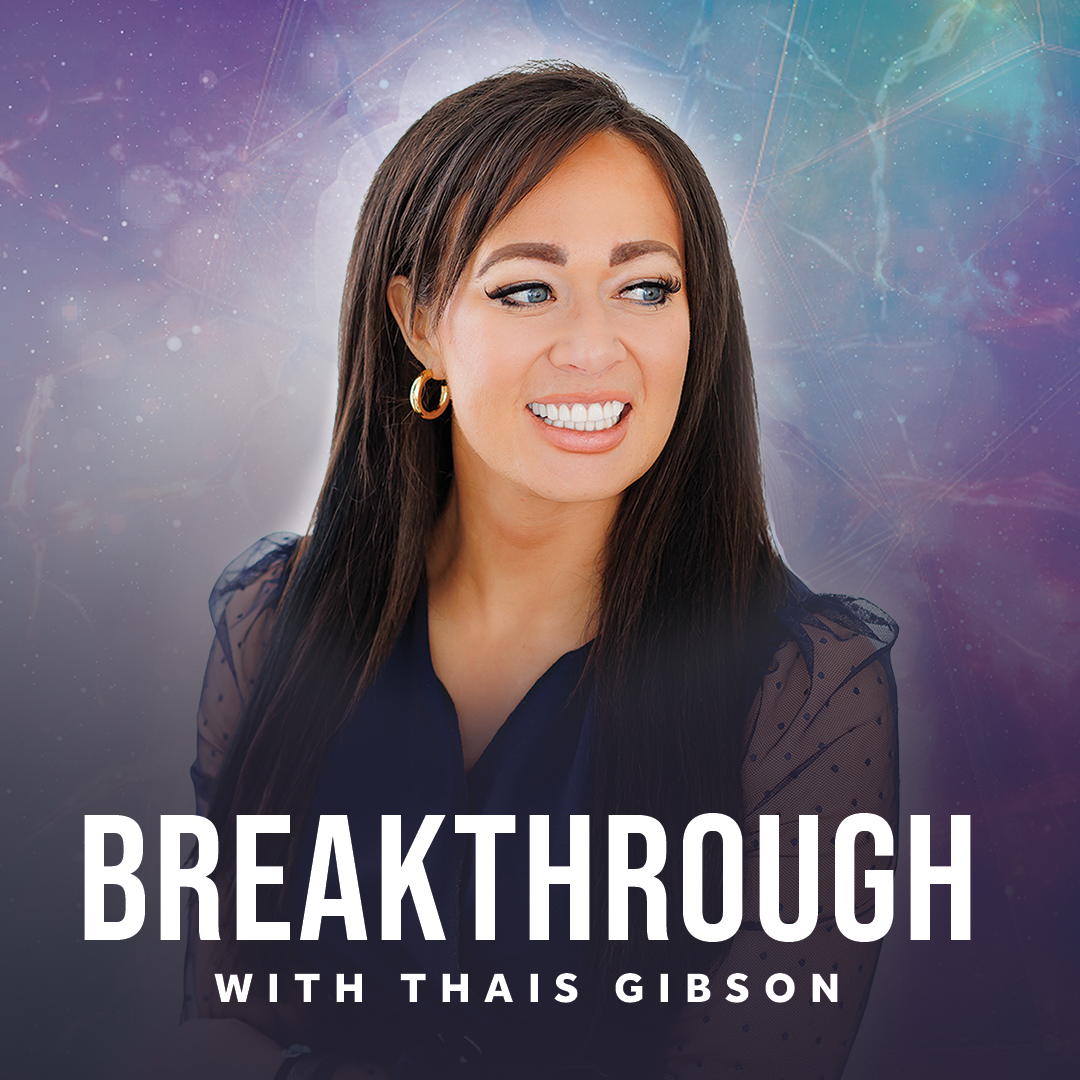
Secure People Do THESE 5 Things in Relationships & Were Parented THIS WAY
Learn the 6 Pillars of Healthy Relationships, Trust & Emotional Connection. Have you ever wondered why some people seem naturally comfortable with emotional intimacy, healthy boundaries, and communicating their needs, while others struggle with anxiety, avoidance, or fear of rejection in relationships?
What if the difference has less to do with finding the perfect partner and more to do with the emotional patterns you learned growing up? In this episode, Thais Gibson, founder of The Personal Development School, explores five essential cornerstones of Secure Attachment and explains how childhood parenting experiences can shape the way we connect, communicate, regulate our emotions, and build trust in adult relationships.
You'll discover how securely attached individuals often grow up with caregivers who respond to their emotional needs, encourage healthy independence, model emotional regulation, and teach effective communication. Thais also explains how these early experiences can create a foundation for self-worth, emotional security, and the ability to rely on both yourself and others.
Most importantly, you'll learn how recognizing these five patterns can help you identify opportunities for personal growth and begin developing healthier relationship habits, even if Secure Attachment wasn't modeled in your childhood. Whether you identify with an Anxious Preoccupied, Dismissive Avoidant, or Fearful Avoidant Attachment Style, this episode offers valuable insights into how secure relationships are formed and how you can begin creating greater emotional safety, trust, and connection in your own life.
In This Episode, You'll Learn: - Why childhood parenting experiences play an important role in developing Secure Attachment - What approach-oriented behavior is and how emotionally responsive caregivers build security - Why securely attached individuals feel more comfortable expressing emotions and receiving support - How a healthy balance of support and challenge helps children develop independence and self-trust - Why understanding and meeting your own emotional needs is essential for a strong sense of self - How caregiver emotional regulation can influence a child's nervous system and stress responses - Why securely attached people tend to communicate their feelings and needs more openly - How co-regulation supports emotional connection and healthier relationships - Why healthy boundaries create deeper intimacy rather than pushing people away - How identifying missing childhood experiences can help guide your journey toward Secure Attachment Timestamps: 00:00 – Why Secure Attachment Isn't Always Modeled in Childhood 00:44 – The 5 Cornerstones of Securely Attached Relationships 01:17 – Cornerstone #1: Approach-Oriented Behavior and Emotional Responsiveness 01:40 – How Responsive Caregiving Builds Emotional Safety and Self-Worth 02:27 – Why Securely Attached People Feel Comfortable Relying on Others 03:06 – Cornerstone #2: Learning to Understand and Meet Your Own Needs 03:32 – The Importance of Balancing Support With Healthy Challenges 04:30 – How Childhood Independence Builds Self-Trust 05:35 – How Insecure Attachment Styles Can Affect Your Sense of Self 06:15 – Why Healthy Communication About Needs Starts in Childhood 06:50 – Cornerstone #3: Nervous System Regulation and Emotional Security 07:40 – How Caregiver Anxiety Can Influence a Child's Nervous System 08:44 – Why Secure Attachment Supports Greater Emotional Regulation 09:06 – Cornerstone #4: Learning to Communicate and Co-Regulate 09:23 – Why Emotional Withdrawal Can Happen When Co-Regulation Is Difficult 10:02 – How Attachment Patterns Can Change Through Personal Growth 11:10 – Cornerstone #5: Setting and Respecting Healthy Boundaries 11:32 – Why Authenticity and Saying No Can Strengthen Intimacy 12:07 – How Childhood Boundary Modeling Shapes Adult Relationships 12:42 – Reflecting on Your Own Attachment Patterns 12:58 – Final Thoughts Meet Thais Thais Gibson, PhD, is a Best-Selling Author, Pastoral Counselor, Relationship Coach, and the founder of The Personal Development School (PDS). Between 2013 and 2019, she developed Integrated Attachment Theory® (IAT), the Six-Step Method to Becoming Secure, a framework rooted in neuroscience, attachment theory, psychology, and spirituality, trademarked in October 2021.
IAT works across six pillars: ✔ Rewire Your Attachment Core Wounds ✔ Learn Your Attachment Needs ✔ Regulate Your Nervous System Somatically ✔ Learn Healthy Boundaries ✔ Improve Communication ✔ Rewire Your Unhealthy Protest Behaviors Since opening in 2020, PDS has grown to serve over 70,000 students in 145 countries, achieving a 97% satisfaction rate and helping people reprogram their subconscious patterns and build thriving, secure relationships. Helpful Resources: 🧠 Take the Free Attachment Style Quiz 📘 Become an IAT Relationship Coach 📚 Read the New Attachment Theory Book 🎧 Discover Podcast Episodes 📝 Read the PDS Blog Let’s Connect on Socials: 📸 Instagram: 📘 Facebook: 🎵 TikTok: 💼 LinkedIn:
Podcast news, creator spotlights & picks
Comments (0)
No comments yet.